Why Quality Printed Workwear Matters for Your Team
When you run a business in Garden Grove or anywhere in Southern California, the way your team presents themselves matters. Uniforms are not just about looking professional. They serve as a walking billboard for your brand, a tool for building team cohesion, and a practical layer of protection for the people doing the work. Over the years, I have seen companies invest in cheap, off-the-shelf shirts that fade after three washes or shrink into something unwearable. That false economy costs more in the long run, both in replacement gear and in the message it sends to customers.
The difference often comes down to the quality of the garment and the method used to apply the design. Screen printing remains the gold standard for durability and color vibrancy on cotton and poly-cotton blends. For businesses that need uniforms to hold up under demanding conditions, screen-printed workwear delivers results that last. The ink bonds with the fabric fibers, so it bends and stretches with the material rather than cracking and peeling off. That is the kind of reliability you want when your crew is loading trucks, handling equipment, or working outdoors under the California sun.
The Materials Make the Difference
One of the first lessons I learned in this industry is that the base garment determines how good the final product will look. A high-quality screen print on a cheap, thin t-shirt still looks cheap. The fabric pills, the seams twist, and the print sits on a surface that never holds its shape. For printed workwear that represents your company well, start with garments that have a good weight, tight knit, and proper fit. Ringspun cotton or a cotton-polyester blend with moisture-wicking properties works well for most trades. Heavier weight fabrics, around 6.0 ounces per square yard or more, resist wear and maintain their structure through repeated laundering.
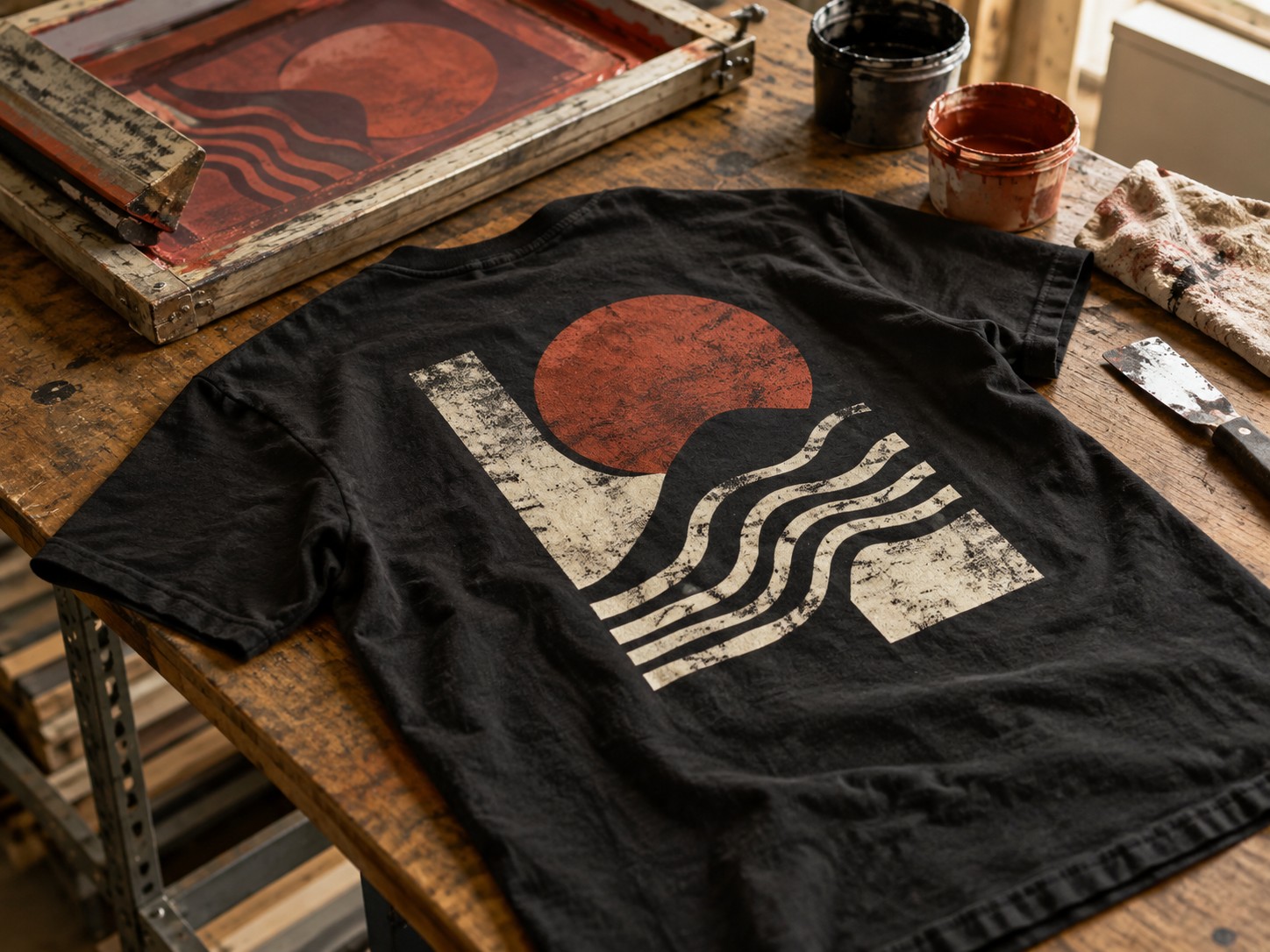
I once worked with a plumbing company that had been buying budget polos from a big-box supplier. The embroidered logos looked fine on day one, but after a month of regular washing, the thread started to unravel and the colors faded unevenly. We switched to a mid-range performance polo with a custom screen-printed chest logo. Not only did the print hold up better, but the fabric itself repelled stains and dried faster. The owner told me his guys actually preferred wearing the new shirts because they felt more comfortable and looked cleaner throughout the day. That is the kind of feedback that tells you the investment was worth it.
Design Placement and Practicality
Another factor that often gets overlooked is where you put the branding. A large graphic across the back might look bold, but if your employees spend most of their time facing customers, a front placement or a left-chest logo makes more sense. For workers who wear harnesses, tool belts, or aprons, a design on the upper chest or sleeve stays visible and avoids being covered up. I have also seen companies add reflective strips or high-visibility elements to their printed workwear as a safety feature. That extra step turns a simple uniform into a piece of personal protective equipment that keeps workers visible in low-light conditions.
Screen printing works especially well for high-visibility garments. The inks can be formulated to match safety standards, and the process allows for precise registration of multiple colors. You can layer a reflective material under the ink or use a special additive that makes the print pop under headlights. For construction crews, parking lot attendants, or warehouse staff, that combination of branding and safety is hard to beat.
Connect with us on Instagram.
Embroidery vs. Screen Printing
Every business owner I talk to eventually asks about embroidery versus screen printing. Both have their place, but they serve different needs. Embroidery looks sharp on polos, jackets, and hats. It gives a raised, textured finish that feels premium. But embroidery has limitations. It does not work well on very small text or intricate details. The thread can snag on rough surfaces, and the backing can irritate skin on lightweight shirts. Screen printing, on the other hand, handles fine lines, gradients, and complex artwork with ease. It lays flat against the fabric, so it does not interfere with movement or comfort.
For printed workwear that needs to convey detailed logos, safety instructions, or multiple contact points, screen printing is usually the better choice. I have seen a landscaping company use a full-color process print on a high-visibility tee that showed their brand mark alongside a small map of their service area. That level of detail would have been impossible with embroidery without losing legibility. The print held up through a full season of sun, sweat, and washing, and the owner reported that customers frequently commented on how professional the team looked.
Color Fidelity and Brand Consistency
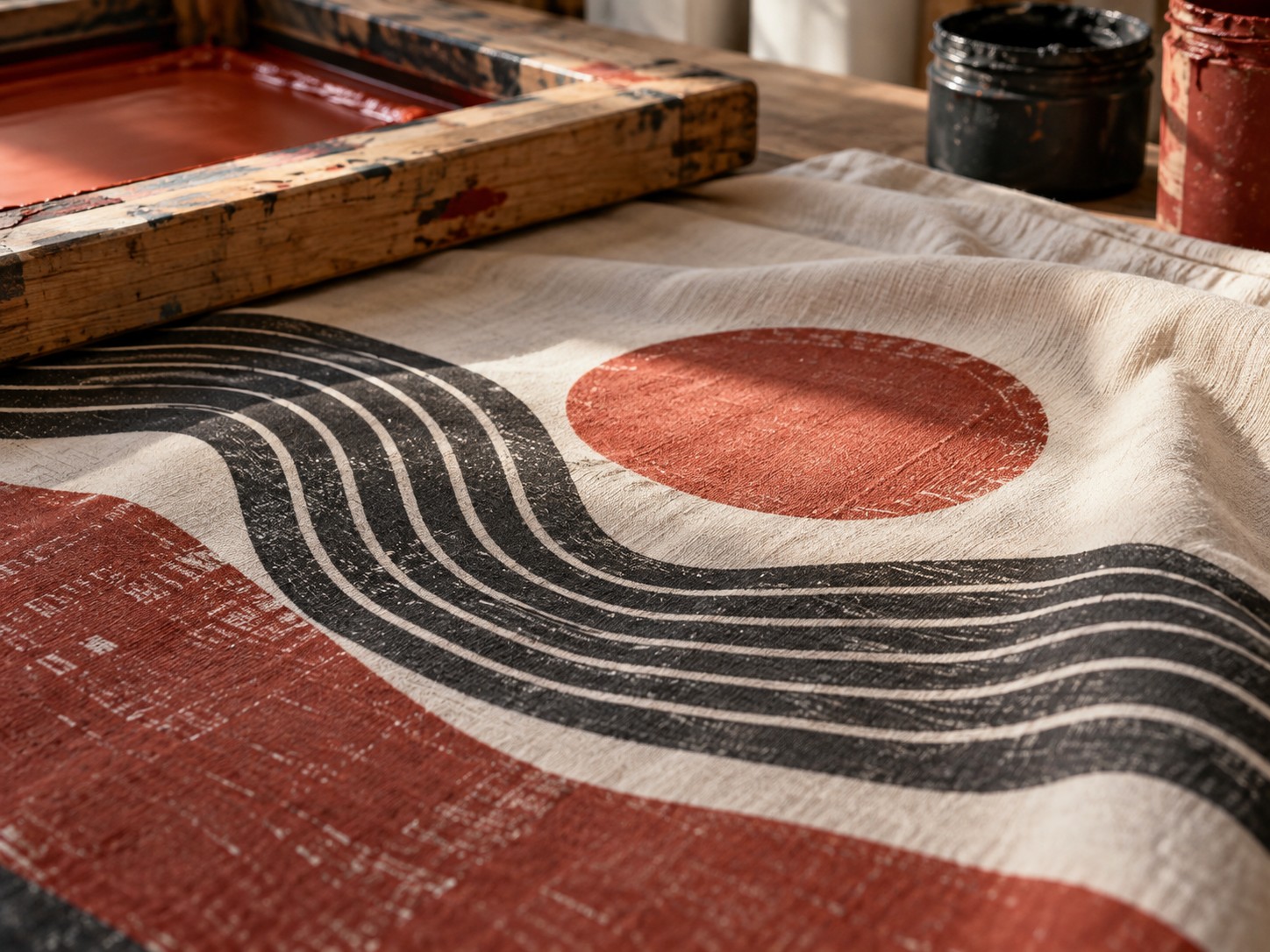
Keeping your brand colors consistent across different garment types and production runs can be tricky. Screen printing uses Pantone matching, which means the ink is mixed to a specific formula so that the blue on your t-shirts matches the blue on your hats and the blue on your website. Digital printing methods like direct-to-garment can come close, but they rely on the printer's color calibration and the base color of the shirt. With screen printing, you get the same hue every time, assuming the printer follows the same process.
I once had a client who ordered a batch of hoodies for a winter promotion. The artwork included a gradient fade from their corporate red to a darker crimson. The digital print sample looked muddy, but the screen-printed version came out crisp with a smooth transition. That kind of result builds trust with your customers because they see the same professional look every time your team walks through their door.
Caring for Your Uniforms
Even the best screen-printed workwear needs proper care to last. Wash garments inside out in cold water, and avoid fabric softeners that can break down the ink over time. Tumble dry on low or hang dry when possible. Heat is the biggest enemy of screen-printed graphics. High heat can cause the ink to soften and become tacky, and it can also shrink the fabric unevenly. A simple care label sewn into the collar or printed on the inside of the shirt goes a long way toward helping your employees keep their uniforms looking fresh.
A Final Word on Choosing a Partner
Finding a reliable screen printer who understands the demands of commercial workwear takes some research. Look for a shop that uses quality inks, offers a range of garment brands, and communicates clearly about turnaround times. A good printer will also help you think through design placement, color choices, and fabric selection based on your specific environment. They should be willing to produce a proof or a sample before you commit to a large order.
DSP Printing, located at 11611 Salinaz Dr Ste O, Garden Grove, CA 92843, USA, provides custom screen printing and embroidered apparel services for businesses and organizations throughout the area. You can reach them at +1 714-951-4919 to discuss your next uniform project.